




Understanding Positive Input Ventilation Systems: A Guide for UK Businesses and Homeowners
Imagine stepping into a home or office where the air feels fresh and invigorating, free from the dampness and musty odours that often plague UK properties. Positive Input Ventilation (PIV) systems promise just that—a breath of fresh air, circulating through every room to improve the quality of indoor living spaces. From enhancing your indoor environment to offering a cost-effective solution against condensation and mould, PIV systems have become an indispensable tool for both homeowners and businesses in the UK. But what makes these systems so effective, and how can they transform your property?
Could a simple installation be the key to solving the age-old problems of damp and poor air quality?
Key takeaways
-
PIV systems introduce fresh air, improving indoor air quality and reducing damp
-
They work by gently pressurising homes to expel stale, humid air
-
Cost-effective, energy-efficient, and easy to integrate with existing systems
-
PIV systems significantly reduce mould and condensation issues
-
Professional installation ensures optimal performance and compliance with UK regulations
The Basics of Positive Input Ventilation
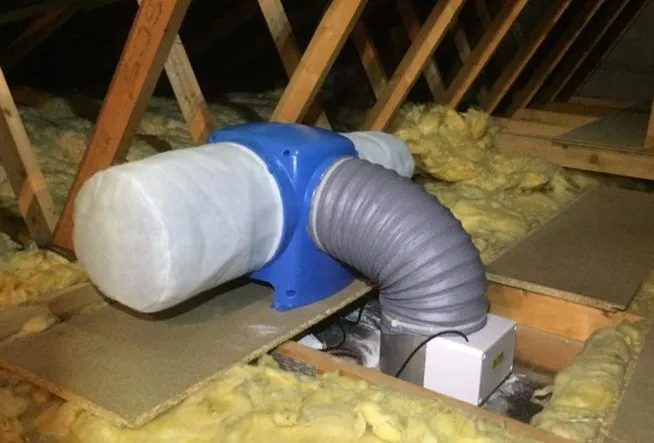
Positive Input Ventilation (PIV) systems offer a modern approach to improving indoor air quality by introducing a constant supply of fresh air into a building. These systems have become increasingly popular in the UK due to their effectiveness in combating common issues like damp and poor air quality. By gently pressurising the interior spaces, PIV units push out stale and humid air while bringing in fresh air from outside or loft spaces. This method not only enhances the comfort of living environments but also plays a crucial role in reducing health-related problems associated with poor air quality.
Defining Positive Input Ventilation
A positive input ventilation system is designed to actively improve the indoor air quality of a property by introducing fresh air. The system works by creating a gentle positive pressure within the building, which encourages the expulsion of stale and humid air through natural leakage points. As a result, the air inside is continuously refreshed, reducing the risk of condensation and dampness—common problems in UK homes due to the country's often humid climate.
The advantages of a PIV unit go beyond merely enhancing air quality. By maintaining a consistent airflow, these systems help prevent the build-up of moisture, which is a primary contributor to mould growth and structural damage. For homeowners and businesses alike, investing in a PIV system can significantly enhance indoor comfort, making living and working spaces healthier and more pleasant.
Key Components of a Positive Input Ventilation System
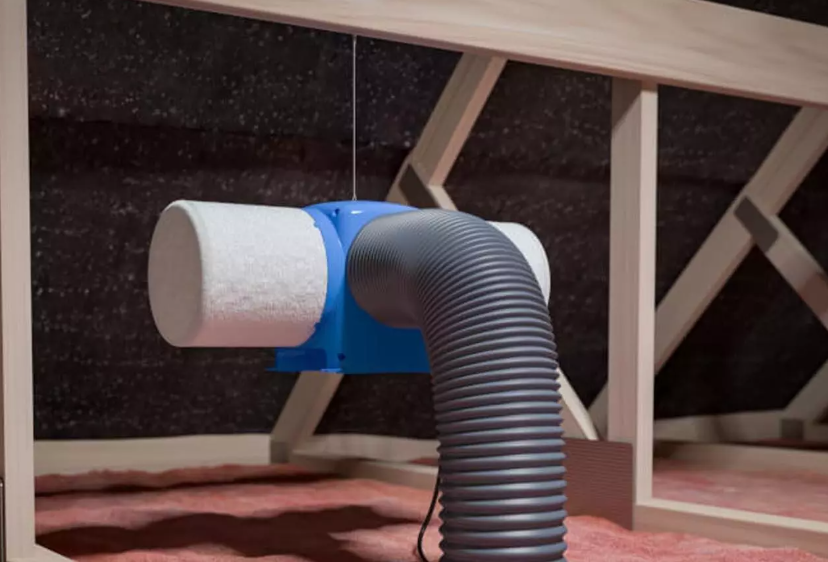
At the core of any PIV system is the central unit, which houses the fan and filter. This component is responsible for drawing in air from the outside or loft space, filtering it to remove pollutants, and then gently distributing it throughout the property. The ducting, which connects the central unit to various living spaces, plays a vital role in ensuring optimal air distribution. It is crucial that the ducting is installed correctly to avoid any loss of efficiency.
Filters are another critical element of PIV systems, as they trap dust and other airborne particles, further improving indoor air quality. The control panel, an often-overlooked component, allows users to adjust settings and monitor the system's performance. Models like the Nuaire Drimaster Eco LC offer advanced features that make it easier for users to customise the system according to their needs, ensuring that the PIV unit operates at its best.
Historical Context and Development in the UK
The development of PIV systems in the UK can be traced back to the growing need to address damp and mould issues in homes. During the 1970s, significant advancements were made in PIV technology, driven by the increased awareness of the importance of energy efficiency and the detrimental effects of poor air quality. Government initiatives aimed at improving the energy efficiency of buildings further popularised these systems, as they were seen as an effective solution to common ventilation problems.
As technology has evolved, so too have PIV systems. Modern units are more efficient and effective than their predecessors, offering enhanced features that cater to the diverse needs of today's homeowners and businesses. These advancements have cemented the role of PIV systems as a vital component of energy-efficient building practices, contributing to healthier and more comfortable indoor environments.
How Positive Input Ventilation Systems Work
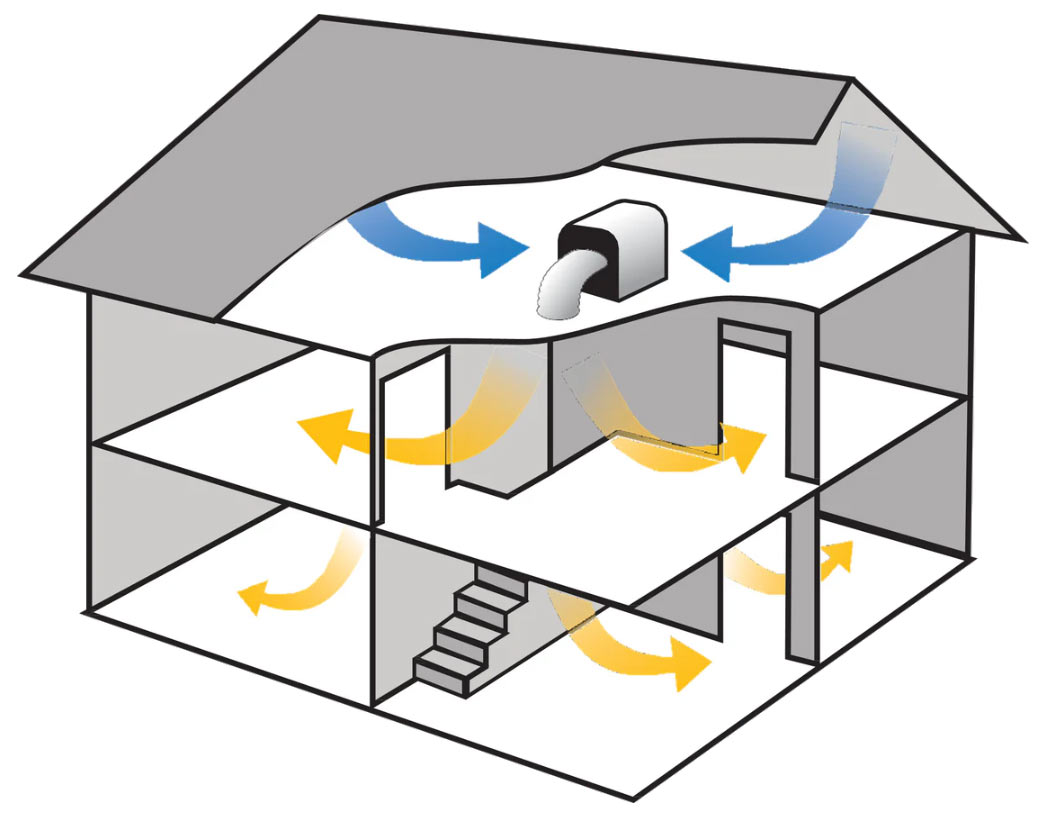
Understanding the mechanics behind PIV systems can help you appreciate their effectiveness in improving air quality. At their core, these systems use fans to draw in fresh air, which is then filtered and distributed throughout the property. This process creates a slight positive pressure that helps expel stale air from the building, effectively refreshing the indoor environment. Proper installation and maintenance are crucial for the efficient operation of these systems, ensuring they deliver the maximum benefits.
Mechanics of Positive Input Ventilation Work
The operation of a positive input ventilation system begins with a fan that draws fresh air from outside or from loft spaces, depending on the design of the system. This air is then passed through filters that remove dust, pollen, and other pollutants, ensuring that the air introduced into your home or office is clean and fresh. Once filtered, the air is gently distributed throughout the property, creating a slight positive pressure that encourages stale air to be expelled.
This process of air ventilation is effective in maintaining a healthy indoor environment, as it continuously refreshes the air, reducing the concentration of indoor pollutants. However, the efficiency of PIV systems work largely depends on correct installation and regular maintenance. Ensuring that the system is set up properly and that filters are replaced as needed will help maintain optimal performance.
Air Flow and Distribution in PIV Units
The design of airflow in PIV units is intended to be both constant and gentle, providing a steady supply of fresh air without causing draughts. The distribution of this air is carefully managed to ensure even coverage across all rooms, which is crucial for maintaining a comfortable indoor environment. Strategic placement of air outlets is vital to avoid creating hotspots or cold areas, which can detract from the overall comfort of the space.
Duct runs and ducting play an essential role in this process, as they channel the air from the central unit to various parts of the property. Proper installation of these components is necessary to maximise the effectiveness of the system. By reducing the risk of uneven air distribution, PIV systems help create a consistent and pleasant indoor climate that enhances comfort and productivity.
Integration with Existing Ventilation Systems
For many properties, integrating a PIV unit with existing ventilation systems can offer enhanced air quality without significant disruption. These units can complement existing HVAC systems, providing an additional layer of air filtration and circulation that boosts the overall effectiveness of the property's ventilation. This seamless integration is often straightforward, thanks to the design of modern PIV systems, which are compatible with a range of setups.
Moreover, the ability to integrate with smart home systems offers advanced control options, allowing users to monitor and adjust their PIV systems remotely. This feature is particularly beneficial for busy homeowners and businesses that require flexibility in their ventilation solutions. Retrofitting PIV systems is also a viable option for many UK properties, making it possible to enjoy the benefits of improved air quality without extensive renovation work.
The Benefits of Installing a Positive Input Ventilation System

Investing in a PIV system offers a multitude of benefits, ranging from improved health to increased energy efficiency. These systems not only enhance the quality of the air you breathe but also contribute to a more comfortable and healthy living environment. Whether you are a homeowner looking to improve your family's well-being or a business seeking to create a more productive workspace, PIV systems provide a cost-effective solution.
Health Benefits of PIV Units
One of the most significant advantages of PIV units is their ability to reduce the concentration of indoor pollutants and allergens. By continually introducing fresh, filtered air into your home or office, these systems can help alleviate respiratory issues and allergies, making it easier for individuals to breathe comfortably. This consistent ventilation also helps prevent the growth of harmful mould and bacteria, which can pose serious health risks if left unchecked.
Creating a healthy living environment is essential for overall well-being, and PIV systems play a crucial role in achieving this. By maintaining optimal indoor air quality, these systems contribute to a more comfortable and enjoyable living space, allowing you to focus on what truly matters—your health and happiness.
Energy Efficiency and Cost-Effectiveness
PIV units are known for their energy-efficient design, which translates to lower electricity consumption and reduced utility bills. These systems operate at low energy levels, making them an environmentally friendly option for improving indoor air quality. The cost savings from reduced heating needs can also offset the initial investment costs, providing excellent value for money in the long run.
For businesses, the benefits extend beyond cost savings. Improved air quality can lead to enhanced employee comfort and productivity, creating a more pleasant and efficient working environment. By investing in a PIV system, you are not only enhancing the comfort of your space but also making a smart financial decision that benefits your bottom line.
Enhancing Indoor Air Quality
At the heart of every positive input ventilation system is the goal of enhancing indoor air quality. By providing a continuous supply of fresh, filtered air, these systems reduce humidity levels and prevent condensation, creating a more comfortable and productive environment. Homeowners and businesses alike can enjoy peace of mind knowing that their air quality is optimised, contributing to a healthier lifestyle.
The impact of improved air quality goes beyond just health benefits. A well-ventilated space is more inviting and comfortable, making it an ideal setting for both work and leisure. By investing in a PIV system, you are taking a proactive step towards creating a healthier and more enjoyable indoor environment.
Addressing Condensation and Damp with PIV Units
 Ge
Ge
Condensation and damp are common problems in many UK properties, often leading to structural damage and health issues. Fortunately, PIV units offer an effective solution to these challenges, providing a means of controlling humidity levels and preventing moisture-related problems. By understanding how these systems work, you can take steps to protect your property and create a healthier living environment.
Understanding Condensation in Homes and Businesses
Condensation occurs when warm, moist air comes into contact with cold surfaces, such as windows or walls. This process can lead to the accumulation of water droplets, which, over time, can cause significant structural damage and create an ideal environment for mould growth. High humidity levels exacerbate condensation issues, making it crucial to identify problem areas and implement effective mitigation strategies.
For both homes and businesses, addressing condensation is essential to maintaining the integrity of the building and safeguarding the health of its occupants. By understanding the causes and effects of condensation, you can take proactive steps to mitigate its impact and protect your property.
The Role of PIV Systems in Reducing Damp
PIV systems play a crucial role in reducing dampness by lowering humidity levels and improving air circulation. By maintaining a consistent flow of fresh air, these units help dry out moisture-prone areas, reducing the likelihood of damp-related issues. Regular use of PIV systems can prevent the recurrence of these problems, providing a long-term solution to a common challenge.
Businesses, in particular, benefit from maintaining a dry and damage-free environment, as this contributes to a more productive and comfortable workspace. By investing in a PIV system, you can protect your property and create a healthier indoor environment for all occupants.
Case Studies on Condensation Mitigation
Numerous UK homes have successfully reduced condensation with the help of PIV systems. Case studies demonstrate significant improvements in air quality and comfort following the installation of these units. Homeowners report enhanced living conditions, while businesses note increased employee satisfaction and productivity.
Long-term studies show that the benefits of PIV systems extend beyond immediate improvements, with sustained enhancements in air quality and comfort over time. By examining these case studies, you can gain valuable insights into the effectiveness of PIV systems in various settings and make informed decisions about their implementation in your property.
The Role of PIV Units in Mould Prevention
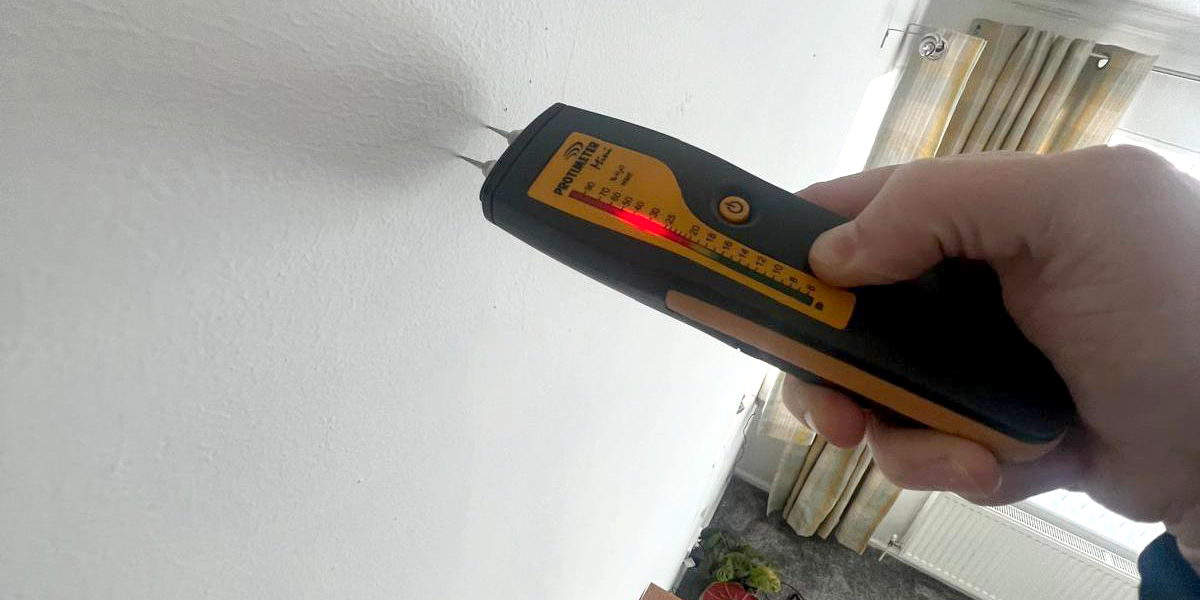
Mould can pose serious health risks and cause extensive damage to properties if left unchecked. Fortunately, PIV units offer an effective solution for preventing mould growth by maintaining optimal humidity levels and providing consistent airflow. By understanding how these systems work, you can take proactive steps to protect your property and create a healthier living environment.
Identifying Mould Risks in Properties
Mould thrives in damp, poorly ventilated areas of buildings, such as bathrooms, kitchens, and basements. These spaces often provide the perfect conditions for mould growth, making it essential to identify and address potential risks early on. Regular inspections can help mitigate potential health and structural hazards, ensuring that your property remains safe and healthy.
By understanding the factors that contribute to mould growth, you can take proactive steps to prevent its occurrence and protect your property from damage. Investing in a PIV system is an effective way to reduce mould risks and create a healthier indoor environment.
How PIV Systems Mitigate Mould Growth
PIV units maintain low humidity levels, which are crucial for inhibiting mould growth. By ensuring consistent airflow, these systems prevent moisture build-up on surfaces, reducing the presence of mould spores in the air. Many property owners report significant reductions in mould occurrences following the installation of PIV systems, highlighting their effectiveness in creating healthier living environments.
The positive pressure created by PIV systems helps expel stale, moisture-laden air, further reducing the risk of mould growth. By investing in a PIV system, you are taking a proactive step towards creating a healthier and more comfortable indoor environment.
Long-term Benefits of PIV Units in Mould Prevention
The long-term benefits of PIV systems in mould prevention are significant, offering a proactive approach to creating healthier living and working conditions. By reducing mould growth, these systems contribute to a more comfortable and safe environment, providing peace of mind for property owners.
Businesses, in particular, benefit from maintaining clean and safe environments for employees, which can lead to increased productivity and satisfaction. By investing in a PIV system, you are not only protecting your property but also enhancing the overall quality of life for its occupants.
Advantages of Positive Input Ventilation Over Alternatives
When it comes to ventilation solutions, PIV systems offer several advantages over traditional methods. These units are known for their superior efficiency, providing excellent value for money compared to alternatives like dehumidifiers and mechanical extract ventilation. The installation of PIV systems is often simpler and less invasive, making them an attractive option for both homeowners and businesses.
Positive feedback from users highlights the reliability and effectiveness of PIV systems, further cementing their status as a preferred choice for improving indoor air quality. By choosing a PIV system, you are investing in a proven solution that offers a range of benefits for your property.
Innovations in Ventilation System Technology
Technological advancements have significantly improved the performance of PIV systems, making them more efficient and convenient to use. Smart features now allow for remote monitoring and control of PIV units, providing users with greater flexibility and convenience. New materials and designs have also enhanced the energy efficiency of these systems, ensuring that they remain at the forefront of ventilation solutions.
Ongoing innovation in the field of ventilation technology ensures that PIV systems continue to offer cutting-edge solutions for improving indoor air quality. By staying informed about the latest developments, you can make informed decisions about the best ventilation options for your property.
Key Features to Consider in a PIV Unit
When choosing a PIV unit, it's essential to consider the airflow capacity, which should match the size and needs of your property. High-quality filters are crucial for effectively removing pollutants and allergens, ensuring that the air introduced into your space is clean and fresh. Energy efficiency ratings can help you determine the long-term cost savings of the unit, making it an important factor to consider.
Noise levels are another critical consideration, as they can impact the overall comfort of your living environment. Models like the Nuaire Drimaster Eco LC offer advanced features that cater to diverse needs, ensuring that you find a PIV unit that meets your requirements and provides maximum benefits.
Key Considerations for UK Businesses and Homeowners
For businesses and homeowners in the UK, installing a PIV system involves several important considerations, from regulatory compliance to cost analysis. By understanding these factors, you can make informed decisions that benefit your property and enhance its overall quality.
Regulatory and Compliance Considerations
PIV installations must comply with UK building regulations and standards, making it crucial to understand the requirements and ensure adherence. Regular checks can help maintain compliance and optimise system performance, preventing potential legal issues and ensuring that your PIV system operates effectively.
Professional installation guarantees adherence to all relevant guidelines, providing peace of mind and ensuring that your system is set up correctly. By working with experienced installers, you can avoid potential pitfalls and enjoy the full benefits of your PIV system.
Cost Analysis and Investment in PIV Systems
When considering the investment in a PIV system, it's important to weigh the initial costs against the long-term energy savings and benefits. Financial incentives may be available to support the installation of these systems, making them a more attractive option for budget-conscious homeowners and businesses.
Improved air quality can have a positive impact on productivity, making it a worthwhile investment for businesses seeking to enhance their work environment. A detailed cost analysis can help justify the investment in PIV technology, providing valuable insights into the potential returns and benefits.
Environmental Impact and Sustainability
PIV systems contribute to reducing the carbon footprint of properties, aligning with sustainable building practices and supporting healthier living conditions. By improving indoor air quality and energy efficiency, these systems offer an environmentally friendly solution that benefits both homeowners and businesses.
The sustainability of PIV systems makes them an attractive option for those looking to reduce their environmental impact and create a healthier, more comfortable living environment. By investing in a PIV system, you are taking a proactive step towards a more sustainable future.
Installation and Maintenance of PIV Systems
To maximise the benefits of a PIV system, proper installation and maintenance are crucial. By following best practices and working with experienced professionals, you can ensure that your system operates effectively and provides long-term benefits for your property.
Best Practices for Installation of PIV Units
Professional installation is essential for the correct placement and operation of PIV units, ensuring that they deliver the maximum benefits. Proper calibration optimises airflow and energy efficiency, contributing to a more effective system. Regular maintenance checks are necessary to prevent potential issues and prolong the lifespan of the unit.
Manufacturers provide detailed guidance to support effective system setup, offering valuable resources for both installers and property owners. By following these best practices, you can ensure that your PIV system operates smoothly and provides lasting benefits.
Troubleshooting Common Issues with PIV Systems
Regular inspections can help identify and resolve common operational issues with PIV systems, ensuring that they continue to operate effectively. Understanding system alerts and error messages aids in quick troubleshooting, allowing you to address potential problems before they escalate.
Maintenance guides provide step-by-step solutions for typical issues, offering valuable support for property owners. For more complex problems or repairs, professional support is available to ensure that your system remains in optimal condition.
Conclusion
Positive Input Ventilation systems offer a transformative solution for improving indoor air quality and addressing common issues like damp and mould. By investing in a PIV system, you can create a healthier and more comfortable living or working environment, reaping benefits that extend beyond mere air quality improvements. From increasing energy efficiency to safeguarding your property against structural damage, PIV units prove to be an invaluable addition to any UK home or business.
As you ponder the possibilities of installing a PIV system, consider the long-term advantages it brings, not just in terms of financial savings but also in enhancing the quality of life for you and those who share the space. By making an informed decision about the right system for your needs, you can ensure a more sustainable and pleasant environment for years to come.
Are you ready to take the next step towards a fresher, healthier indoor environment? How could a PIV system transform your space? Engage with us in the comments below, and let's discuss how PIV systems can benefit your specific situation.
In summary, PIV systems are a breath of fresh air—literally. They not only improve indoor air quality but also tackle damp and mould issues, enhance energy efficiency, and integrate seamlessly with existing systems. With a professional installation, you can be confident in their performance and compliance with UK regulations. The time to act is now—embrace cleaner, healthier air with a Positive Input Ventilation system.
Frequently Asked Questions
What are the disadvantages of a PIV unit?
Though Positive Input Ventilation (PIV) systems are highly effective in improving indoor air quality, they do have some drawbacks. Installation costs can be significant, especially for larger properties. PIV units may not be suitable for homes with limited loft space. Additionally, they rely on external air, which means they may bring in pollen and other allergens during certain seasons. Regular maintenance is required to ensure optimal performance, and some users report a slight increase in energy consumption. It is crucial to weigh these disadvantages against the benefits before deciding on a PIV system.
What are the common issues with piv?
Positive Input Ventilation systems, while generally reliable, can experience some common issues. One potential problem is noise generated by the fan, which can become noticeable if the unit is not properly maintained. Filters can become clogged over time, reducing efficiency and necessitating replacement. Inadequate installation may lead to poor airflow distribution, resulting in uneven ventilation. In some cases, the system may struggle in extremely cold conditions, potentially leading to cooler indoor temperatures. Regular maintenance and professional installation can help mitigate these issues and ensure the system's longevity and effectiveness.
Do piv units really work?
PIV units are effective in improving indoor air quality by reducing humidity levels and minimising condensation risks. They work by introducing fresh, filtered air into the property, which helps to expel stale air and pollutants. Numerous studies and user testimonials in the UK have reported noticeable improvements in respiratory conditions and reduced mould growth. While their effectiveness can vary based on property size and specific indoor conditions, PIV systems are widely regarded as a valuable tool for enhancing ventilation and maintaining a healthier indoor environment. Professional installation ensures optimal performance.
How much is a PIV system in the UK?
The cost of a Positive Input Ventilation system in the UK can vary significantly based on several factors. Basic units for smaller properties might start around £300, while more advanced systems for larger homes or commercial spaces can exceed £1,000. Installation costs should also be considered, as professional fitting is recommended for optimal performance and safety. Prices can vary depending on the complexity of the installation and the specific brand or model chosen. It is advisable to obtain quotes from multiple suppliers to ensure a competitive price and quality service.

More News
Our Services