


BOOK A DAMP SURVEY 0161 850 6006

Are Spring & Summer is the Best Time to Fix Damp Problems?

As the weather warms up and condensation disappears from windows, many homeowners assume their damp problem has gone away. Unfortunately, warmer temperatures don’t mean the issue has been fixed — it simply means the symptoms are less obvious. The underlying cause of the damp is still there, quietly affecting your property in the background. In fact, waiting until winter to deal with it often means facing a much bigger, more expensive problem than before

Book a Survey

Damp Hasn’t Gone Away — It’s Just Less Visible

If you’ve noticed damp patches, peeling wallpaper, mould growth or musty smells during winter, spring and summer are actually the ideal seasons to take action.

One of the biggest mistakes homeowners make is believing damp has “cleared up” because the weather has improved.

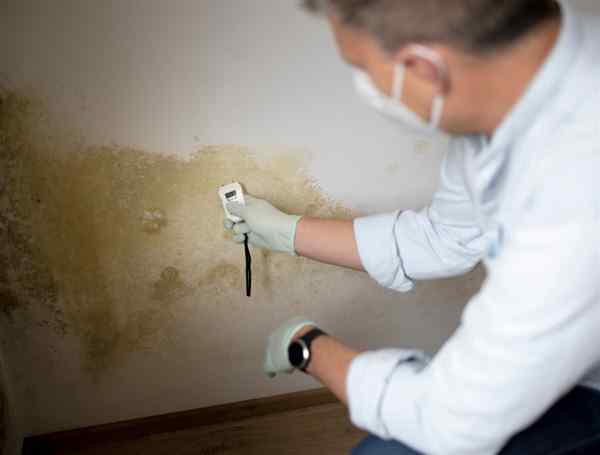
During winter, colder temperatures and higher moisture levels make damp more noticeable. Condensation builds up, walls feel colder, mould spreads faster and musty odours become stronger. When spring arrives, warmer air and improved ventilation can temporarily reduce these visible signs, creating the illusion that the problem has disappeared.


Damp Hasn’t Gone Away — It’s Just Less Visible

Damp Hasn’t Gone Away, It’s Just Less Visible

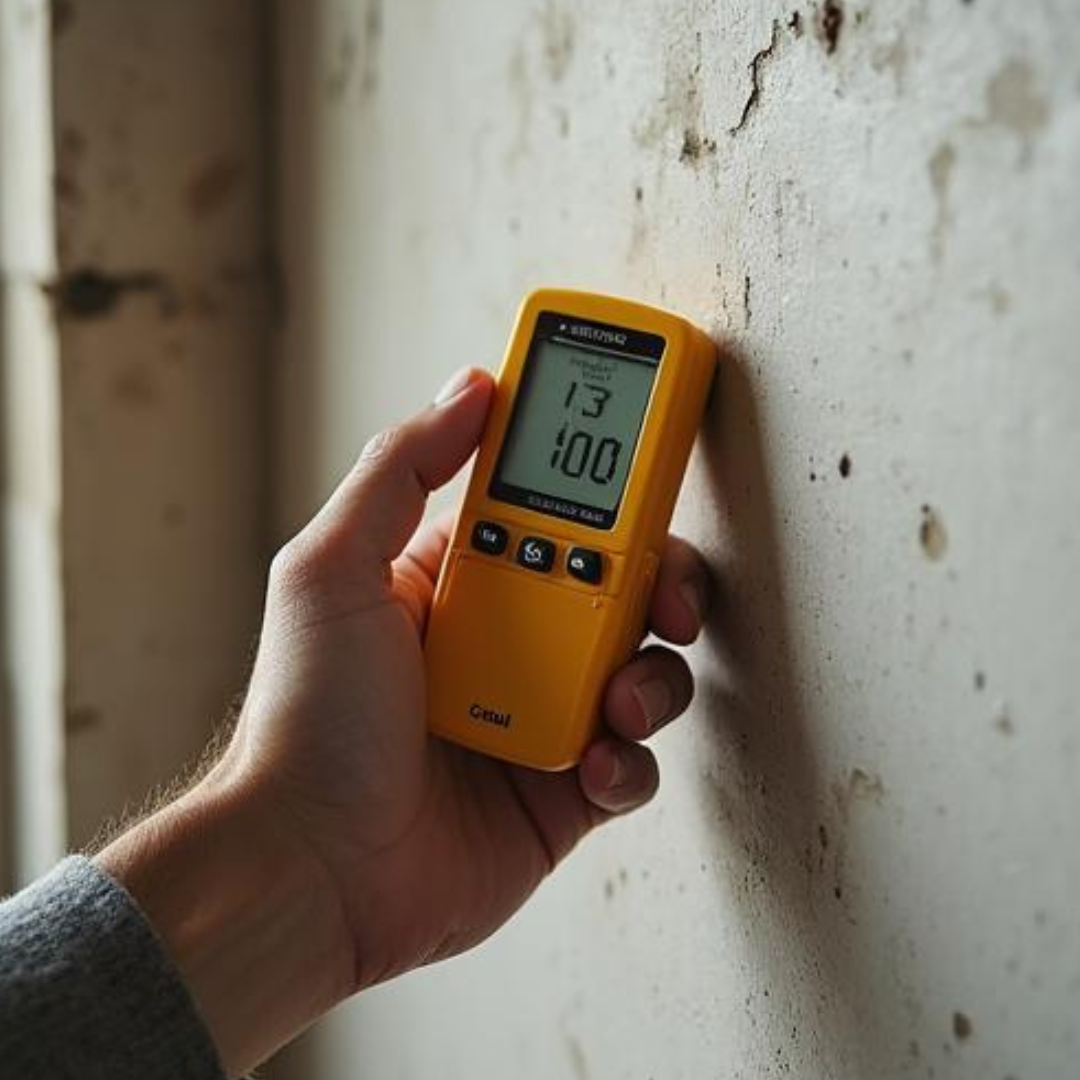
But the reality is simple: the underlying moisture issue remains.

Whether the cause is rising damp, penetrating damp, poor ventilation, condensation problems or hidden moisture ingress, warmer weather only masks the symptoms — it doesn’t solve the root cause. Without proper diagnosis and treatment, the same issue is likely to return next autumn and winter, often worse than before.


Book a Survey
Damp Hasn’t Gone Away,  It’s Just Less Visible

Why Damp Usually Comes Back Worse Next Winter

Damp problems rarely resolve themselves. Moisture trapped inside walls, floors or plaster continues to spread over time. Left untreated, this can lead to worsening damage including:

  • Larger damp patches
  • Crumbling plaster and damaged décor
  • Increased mould growth and black mould
  • Timber decay and rot
  • Unpleasant odours and poor indoor air quality
  • More expensive repairs later on

Why Damp Usually Comes Back Worse Next Winter

By next winter, the colder weather can reactivate and accelerate the issue, especially when homes are sealed up and ventilation is reduced.

Colder weather returning can reactivate and accelerate the damp issue

What may currently seem like a “minor” patch could quickly turn into a much larger remedial job. Acting now gives you the opportunity to stop the damage before seasonal conditions make it worse again.


Book a Survey
Damp Proofing Manchester

Why Spring & Summer Are the Best Time to Fix Damp

1. Easier to Diagnose the Root Cause

Spring and summer are ideal for identifying exactly what’s causing damp.

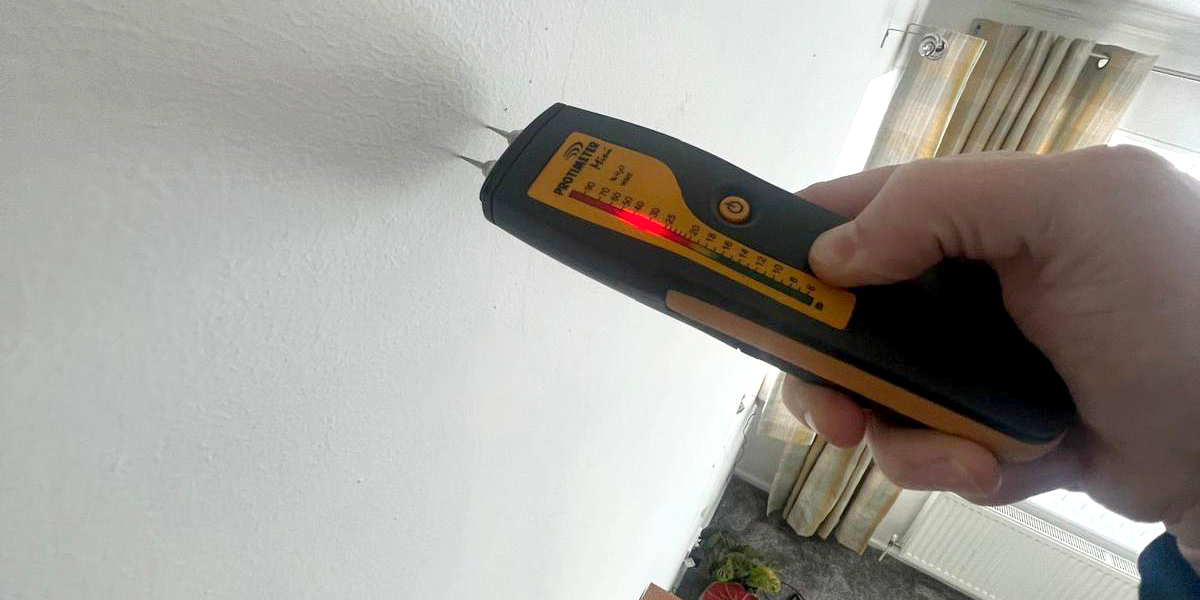
An experienced damp specialist can assess whether the issue is rising damp, penetrating damp, condensation, mould-related or linked to structural moisture. Because winter moisture has already exposed the problem areas, surveyors can investigate the cause properly before colder conditions return.


2. Better Conditions for Damp Treatments

Warmer weather creates better drying conditions for many remedial works.

Plastering, damp-proofing systems and moisture reduction measures generally benefit from improved airflow and lower humidity. This can help reduce disruption and improve drying times compared to carrying out work in the middle of winter.


3. Avoid the Autumn & Winter Rush

Many homeowners only think about damp when black mould suddenly appears or walls become visibly wet during winter.

This means damp specialists often become much busier in colder months. Booking a survey in spring or summer allows you to get ahead of the problem, arrange treatment at a convenient time and avoid waiting when demand increases.


4. Protect Your Home Before Winter Returns

Treating damp now means your home is prepared before cold weather arrives again.

Instead of spending next winter battling mould, condensation and worsening damp patches, you can enjoy peace of mind knowing the issue has been professionally diagnosed and resolved.


Why It’s the Right Time to Call a Local Damp Specialist

When it comes to damp, guessing is expensive.

Many damp issues are misdiagnosed, leading homeowners to waste money on cosmetic fixes like repainting walls or using dehumidifiers that only treat symptoms rather than the source of the moisture. A professional damp survey helps identify the real cause and the right long-term solution.

For homeowners in Bolton and across Greater Manchester, North West Damp Proofing provides detailed property inspections designed to diagnose all forms of damp, including rising damp, condensation, penetrating damp and mould growth. Their surveys include internal and external inspections, moisture source identification, timber assessments and practical recommendations tailored to the property.

The company also offers pre-purchase damp surveys for homebuyers, landlord reports and clear, honest advice without recommending unnecessary work. As local specialists familiar with older stone and terraced housing common across Bolton and the North West, they focus on identifying the root cause of the issue rather than simply masking symptoms.

If your damp seems to have “disappeared” now the weather has improved, don’t assume the problem has fixed itself. Spring and summer provide the perfect opportunity to investigate and resolve damp properly — before winter brings it back worse than before.

You can learn more about their survey service here: Damp Surveys Bolton