



Professional Damp Surveyors Covering Denton
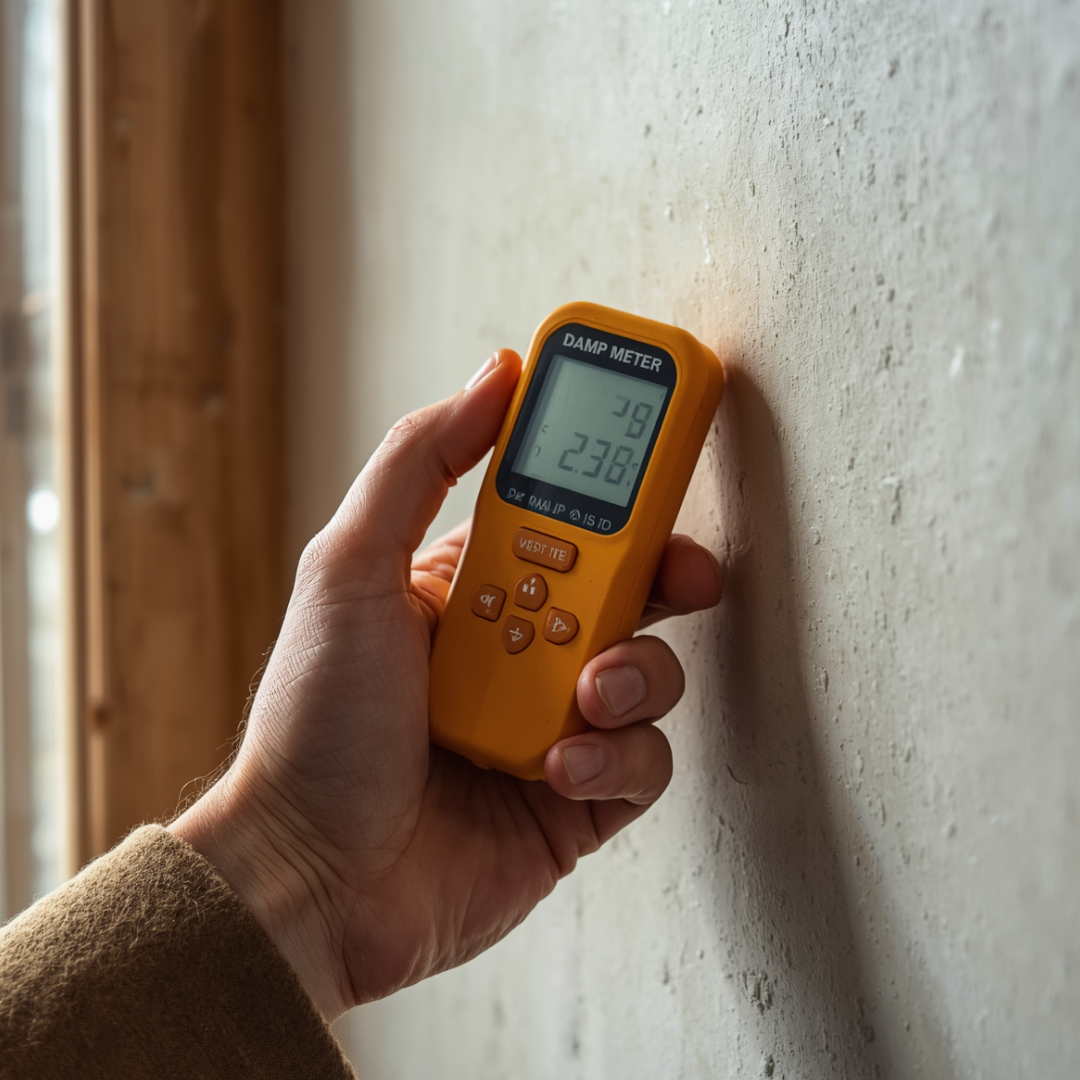
If you're unsure where the moisture is coming from, arranging a professional damp survey in Denton is the best place to start. Our experienced damp surveyors carry out a thorough inspection of the property to identify signs of excess moisture, establish the likely cause and determine whether specialist damp proofing work is required.
Following your survey, we'll explain our findings clearly and provide practical recommendations based on the condition of your property. If you're looking for a reliable damp surveyor in Denton, contact North West Damp Proofing today to arrange a professional damp survey and get clear, straightforward advice on the next steps.
North West Damp Proofing are Rated Excellent on TrustPilot

In-depth, damp and condensation surveys.
Book a survey today with one of our local damp surveyors
From damp proofing, comprehensive damp surveys, rising damp treatment, and penetrating damp repairs to condensation control, black mould removal, crack stitching, external weather sealing, PIV Installation and more, our experienced Greater Manchester based team delivers tailored solutions designed to protect your home or commercial property. Whether you’re dealing with visible damp patches, mould growth, musty odours or hidden structural moisture issues, we offer professional inspections and long-lasting treatments throughout Denton and the North West to help keep your property dry, healthy and protected.


Step by step process
Here's the basic process of what will happen after you get in touch with NWDP
- Get In Touch with a damp specialist via Website, Telephone or Email
- Arrange a no-obligation damp survey at a suitable day/time (survey can be booked online of via telephone)
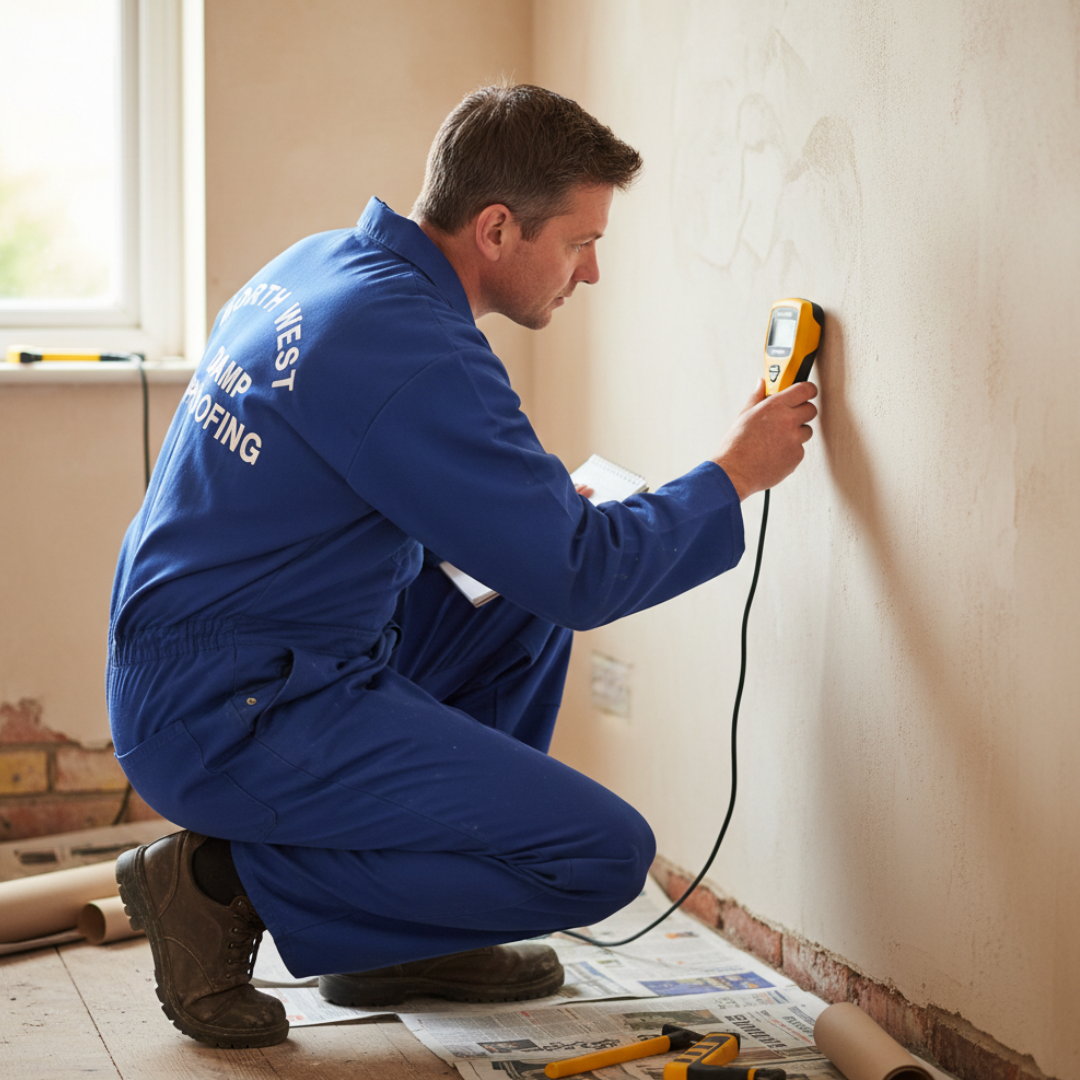
- One of our professional damp surveyors will access your home and check for damp issues
- Receive an In-Depth Damp Report with no obligation to go forward with any work, if needed
- Arrange a time/day for the Work to be Undertaken
- Get a no quibble 20 Year Guarantee
- Leave us a great review

About North West Damp Proofing
Located in Manchester, North West Damp Proofing specialises in providing professional damp proofing and moisture control solutions for homeowners, landlords, estate agents, housing associations and commercial clients in Denton and the wider North West.
From comprehensive damp surveys and diagnostics to specialist damp treatments
From comprehensive damp surveys and diagnostics to specialist damp treatments, our experienced team deliver long-lasting solutions designed to protect properties from rising damp, penetrating damp, condensation and structural moisture issues.
Our services also include damp proof injections, internal and external tanking, basement and cellar waterproofing, damp floor treatments, mould and condensation control, plastering, timber treatments and pre-purchase damp surveys

Reviews and Feedback
North West Damp Proofing are one of the region's most respected damp proofing and survey companies, proudly delivering high-quality, reliable damp proofing solutions for homeowners, landlords, and commercial clients in Denton and throughout the North West
- Trusted across the North West – Serving homeowners and businesses throughout Greater Manchester and surrounding areas with a strong local reputation for quality and reliability.
- Highly respected specialists – Experienced in diagnosing and treating rising damp, penetrating damp, mould, condensation, dry rot, woodworm, and structural moisture problems.
- Friendly and approachable team – Known for clear communication, honest advice, and a customer-first approach from survey through to completion.
- Trusted by customers – Backed by excellent customer feedback and strong ratings, reflecting consistently high standards of workmanship and professionalism.
- Long-lasting peace of mind – Professional damp proofing systems supported by guarantees, giving customers confidence in the quality and durability of the work carried out.
Read Reviews

Book a Damp Survey
If you're concerned about damp or mould in your Denton property, our Manchester based team of qualified damp surveyors can help.
We'll visit your property to assess the situation and identify the main causes of the problem. We'll then advise you on the best course of action, taking into account any exclusions that may apply.
Mould and rot can cause serious damage to your property if left untreated, so it's important to get expert advice as soon as possible. Our team is here to help, so please don't hesitate to get in touch.
Book Now!
Why choose us
Choose North West Damp Proofing for reliable, Damp Proofing
Moisture, damp, and mould are not just cosmetic concerns, they threaten your home's structure, your tenants' health, and your rental income.
As a local damp specialists for Denton and surrounding areas, North West Damp Proofing combines deep regional knowledge, fully guaranteed solutions, and outstanding customer ratings to provide superior damp control across the North West.
Unlike the handymen and cowboys, we back our damp proof course installations with a 20-year guarantee - giving homeowners and landlords confidence for decades to come.
Book a Damp Survey