



What you need to be aware of
- Identify and understand the different types of dampness in your home for targeted solutions
- Recognise the early signs of condensation and mould to tackle them promptly
- Employ effective ventilation techniques to reduce moisture build-up
- Use cleaning strategies to remove existing mould and prevent its return
- Seek professional advice when dealing with persistent air quality issues

Common Types of Dampness You Might Encounter in your Manchester Home
Rising damp is a common culprit and usually originates from the ground, affecting the lower parts of walls. It occurs when moisture from the ground moves upwards through porous building materials like bricks and mortar.
This type of dampness often manifests as tide marks or damp patches on walls, and can cause paint and plaster to bubble and flake. It's crucial to address rising damp promptly, as it can lead to structural damage if ignored.
Penetrating damp often results from leaks in roofs or walls, allowing water to seep into your home. This type of dampness is usually localised and can be spotted as damp patches on ceilings and walls after heavy rain.
Fixing leaks and ensuring proper maintenance of your property's exterior are key to preventing penetrating damp. Unlike rising damp, penetrating damp can occur at any level of your home, not just the lower parts.
Condensation dampness is arguably the most common type and typically occurs in areas with poor ventilation. It happens when warm, moist air comes into contact with cold surfaces, leading to water droplets forming.
Kitchens, bathrooms, and bedrooms are hotspots for condensation, especially during the colder months. Ventilation is the best remedy, as it helps disperse the moist air and reduces the likelihood of condensation forming.
Book a Survey
How to Identify Dampness in Various Areas of the Home
Spotting the signs of dampness early can save you a lot of hassle down the line. Water stains on walls or ceilings are often tell-tale indicators of dampness issues.
These stains can vary in colour from yellowish-brown to dark brown, depending on the severity and duration of the damp problem. If you notice such stains, it's time to investigate further and identify the source of the moisture.
Peeling wallpaper is another red flag, usually signalling the presence of moisture behind the walls. When wallpaper starts to blister or peel, it's often because dampness is causing the adhesive to fail. In such cases, it's important to address the underlying dampness before attempting any cosmetic repairs.
Musty odours are frequently accompanied by dampness problems and can be a sign of hidden moisture. If you notice a persistent musty smell in certain areas of your home, it's worth conducting a thorough inspection to identify any dampness issues.
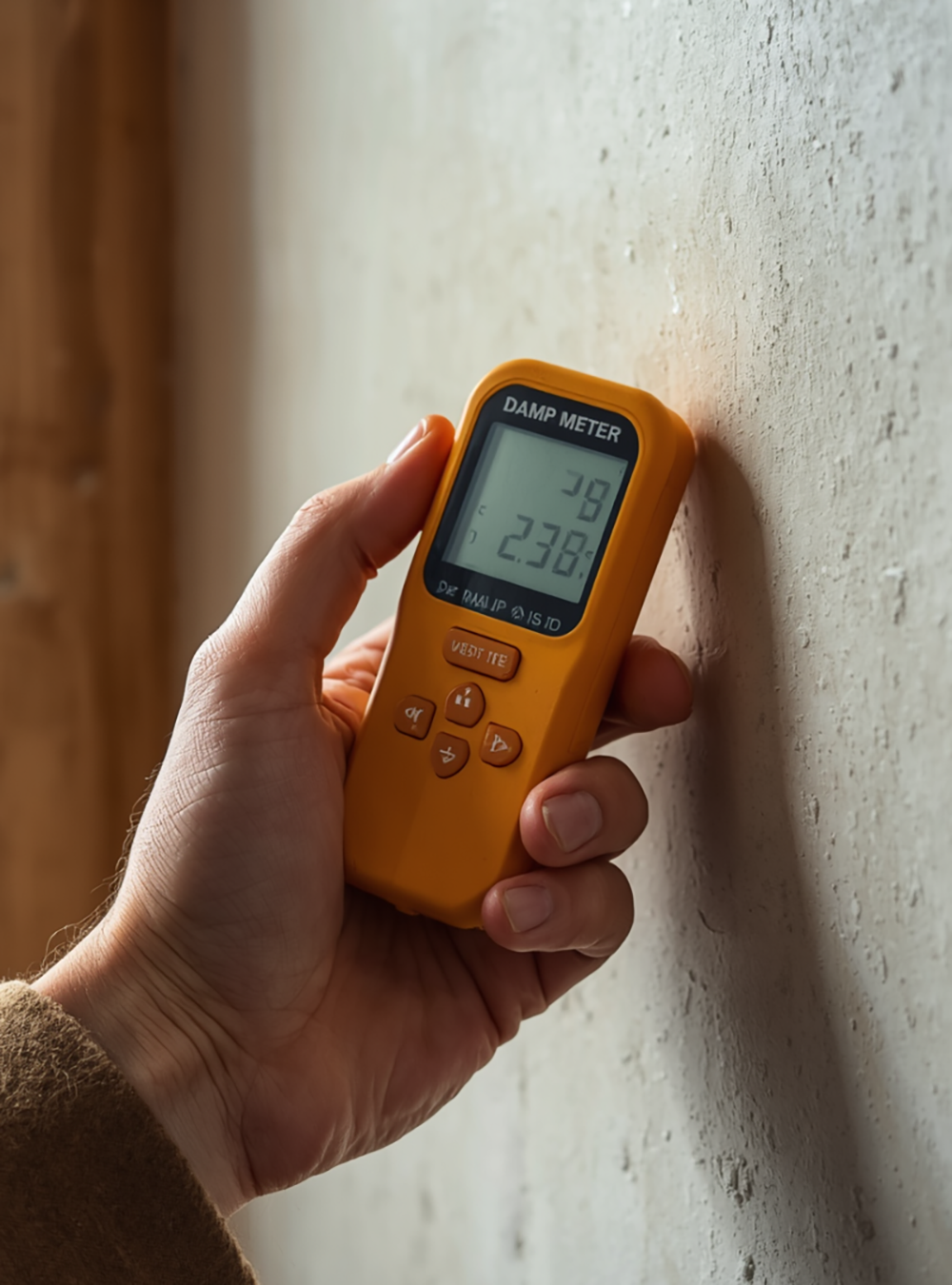
Physical inspections of your home, particularly in less visible areas like basements and attics, can help uncover hidden dampness that might not be immediately apparent.

Recognising the Signs of Condensation and Mould Growth
Condensation and mould growth can be sneaky adversaries, often starting small but quickly escalating into more significant problems. Recognising the early signs is crucial in preventing them from taking hold. The good news is, once you know what to look for, you can take swift action to keep your home fresh and dry.
Early Warning Signs of Condensation
Water droplets on windows are often the first sign of condensation. During colder months, you might notice your windows becoming foggy or wet, especially in the mornings. This happens when warm indoor air meets the cold glass. While it's tempting to wipe away the moisture and ignore it, consistent condensation can lead to more severe issues like mould growth.
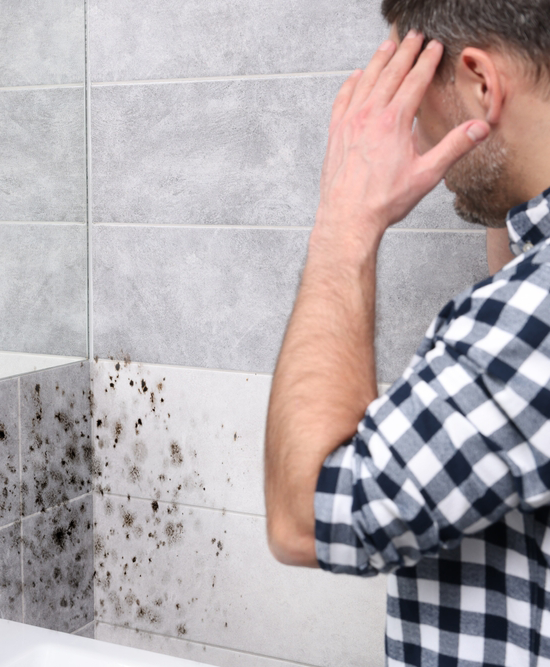
Mouldy patches on walls are a more visible sign of moisture issues. These patches often appear in areas with poor ventilation, such as behind furniture or in corners.
Mould thrives in damp, humid conditions, and if left unchecked, it can spread rapidly. Regularly inspecting less visible areas of your home can help catch mould growth before it becomes a significant problem.
Damp or musty smells often point to excess humidity in your home. If you notice a persistent musty odour, it's a sign that you need to investigate further. Cold surfaces in the home, such as exterior walls and windows, usually encourage condensation.
Keeping these surfaces warm by maintaining a consistent indoor temperature can help reduce the likelihood of condensation forming.

Ventilation Techniques to Reduce Damp and Mould
Good ventilation is like a breath of fresh air for your home, literally! It plays a pivotal role in reducing damp and mould by ensuring that moist air doesn't linger. Implementing effective ventilation techniques can make all the difference in maintaining a healthy indoor environment.
Importance of Proper Ventilation
Open windows regularly to allow fresh air circulation. Even during the colder months, briefly opening windows can help reduce moisture levels inside your home. It's a simple yet effective way to let stale, humid air out and bring in fresh, drier air.
Extractor fans in kitchens and bathrooms are invaluable allies in the fight against dampness. Cooking and bathing produce a lot of moisture, and extractor fans help remove it before it has a chance to settle. Ensure that these fans are vented to the outside and not just recirculating air within your home.
Air bricks can improve airflow and reduce dampness. These bricks, typically found near the base of external walls, allow air to circulate through the cavity walls, helping to keep them dry.
Regular maintenance of ventilation systems ensures they operate effectively. Clean any dust or debris that might block airflow and check that all vents are unobstructed.

Cleaning Strategies to Remove and Prevent Black Mould Growth
Cleaning strategies are your frontline defence against black mould growth. While it might be tempting to ignore small mould patches, addressing them promptly can prevent more extensive infestations. With the right cleaning techniques, you can remove existing mould and reduce the chances of it returning.
Start by using vinegar solutions to remove surface mould. Vinegar is a natural and effective mould killer due to its acidic nature. Simply spray a mixture of vinegar and water onto the affected area, let it sit for an hour, and then wipe it clean. This method not only removes mould but also prevents future growth.
Anti-mould sprays are another effective tool in your arsenal. These sprays are specially formulated to kill mould spores and stop them from returning.
Apply them to areas prone to mould growth, such as bathrooms and kitchens, after cleaning. Regular cleaning of affected areas reduces mould recurrence. Make it a habit to clean these areas thoroughly and frequently to keep mould at bay.
Protective gear is crucial when cleaning mould to protect yourself from harmful spores. Wear gloves, a mask, and safety goggles to prevent inhaling or coming into contact with mould spores. It's better to be safe than sorry, and proper protection ensures you don't suffer any adverse health effects during the