




What Is a Damp Proof Course?
A damp proof course is a protective barrier built into the walls of a property, usually just above ground level. Its purpose is to stop groundwater from being absorbed into brickwork and travelling upwards through the walls.
Although bricks and mortar appear solid, they're actually porous. This means they contain tiny holes that can absorb moisture in much the same way as a sponge. Without a damp proof course, moisture from the ground can gradually rise through the walls, leading to what is known as rising damp.
Modern homes are built with a physical damp proof membrane or barrier installed during construction. However, many older properties either have no damp proof course at all, or the original material has deteriorated over time and is no longer providing effective protection.
Book a Survey
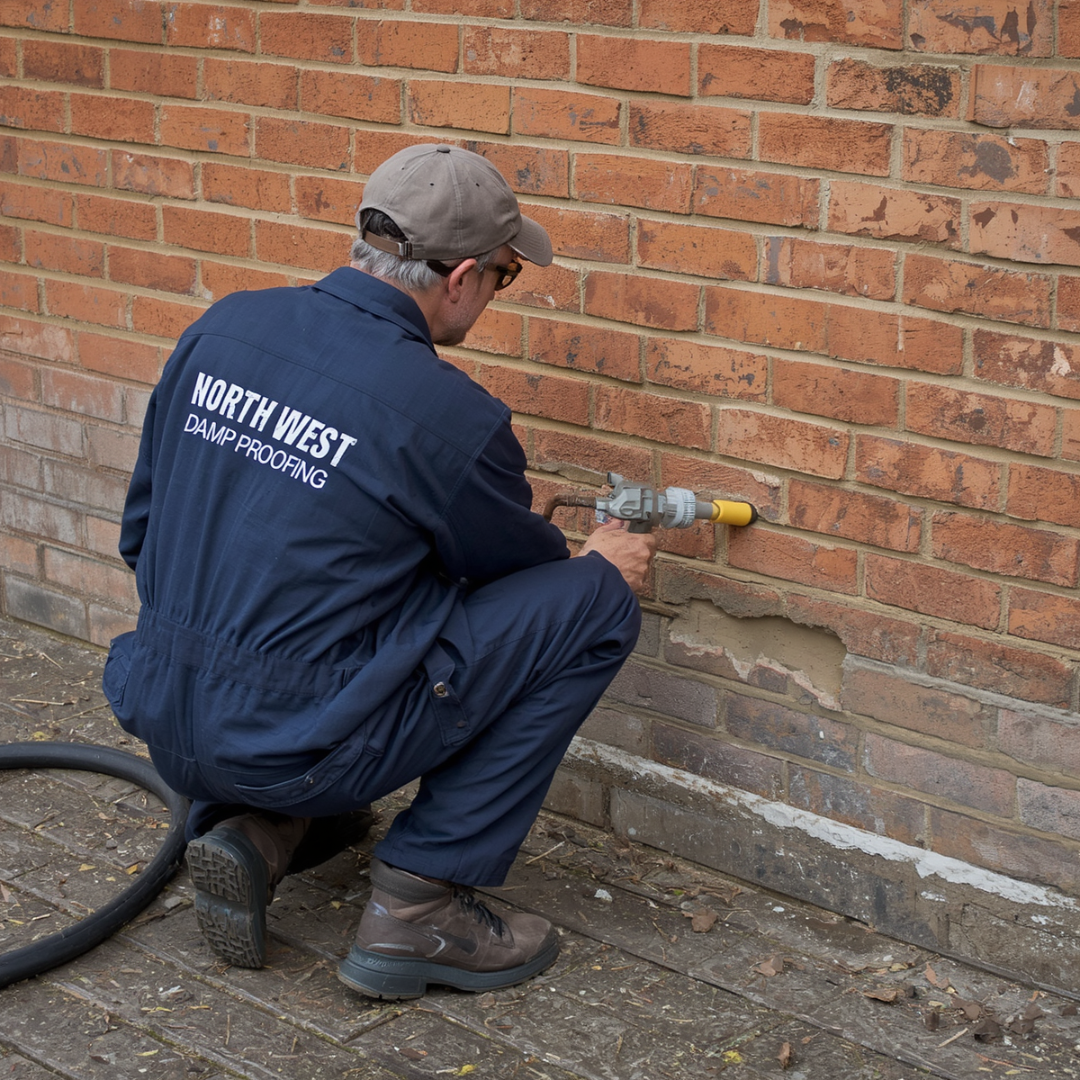
What Happens When a Damp Proof Course Fails?
When a damp proof course becomes damaged, bridged or reaches the end of its lifespan, moisture can begin moving up through the walls.
You may notice:
- Damp patches appearing near the bottom of internal walls.
- Peeling wallpaper or blistering paint.
- Plaster that becomes soft, crumbly or starts to break away.
- White, powdery deposits on walls (known as efflorescence).
- Rotting skirting boards or timber flooring.
- A persistent musty smell.
- Cold, damp walls that never seem to dry out.
These symptoms usually become worse during the wetter months of the year but can remain present all year round if left untreated.
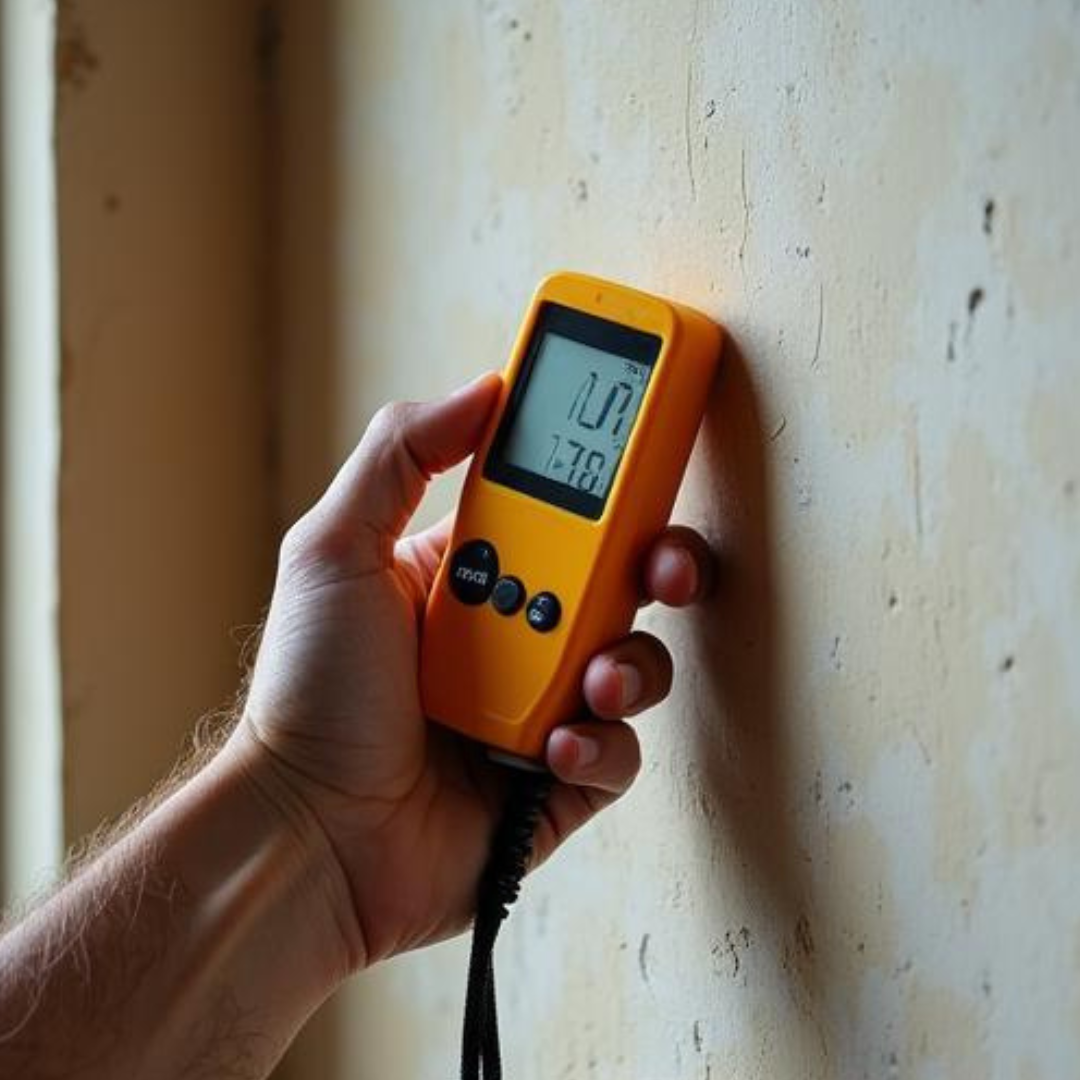
Is Every Damp Patch Rising Damp?
No - and this is one of the biggest misconceptions surrounding damp.
Not every damp problem is caused by a failed damp proof course. In fact, many issues that homeowners assume are rising damp are actually caused by:
- Condensation from poor ventilation.
- Penetrating damp caused by defective brickwork, gutters or roofing.
- Leaking plumbing.
- High external ground levels.
- Cracked render or damaged pointing.
- Internal leaks.
This is why it's important not to jump straight to replacing your damp proof course. Correctly identifying the source of the moisture is essential before any treatment is recommended.
Book a Survey
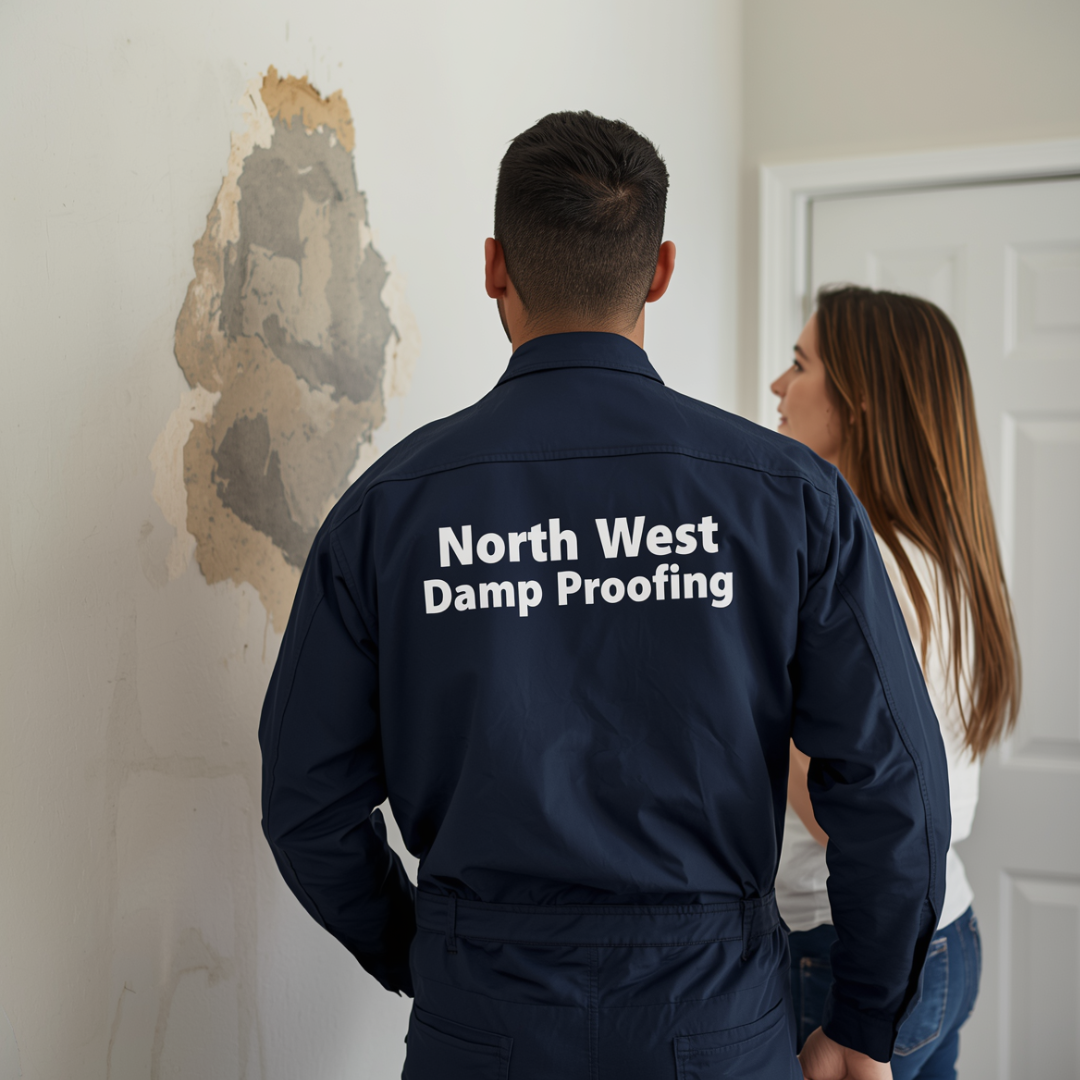
How Do Damp Specialists Diagnose Rising Damp?
A professional damp survey involves much more than simply looking at a damp patch on the wall.
Experienced damp specialists assess the property as a whole, considering factors such as:
- Moisture readings at different wall heights.
- The location and pattern of damp.
- External ground levels.
- Drainage around the property.
- Condition of brickwork and mortar.
- Ventilation.
- Existing damp proof course (if visible).
- Internal humidity levels.
By combining specialist equipment with practical experience, they can determine whether rising damp is actually the cause or whether another issue is responsible.
A proper diagnosis ensures you only pay for the treatment your property genuinely needs.