



What does a positive Input Ventilation do and are they worth it?
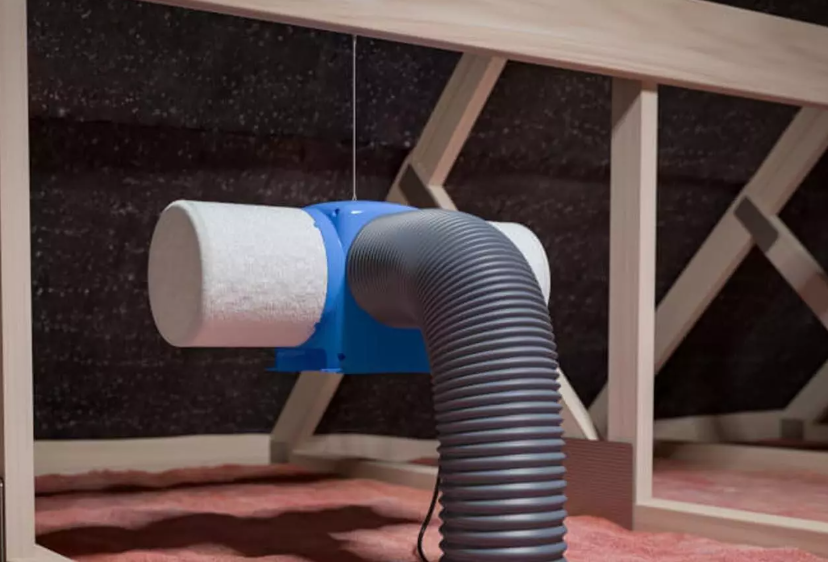
A Positive Input Ventilation (PIV) system is an effective whole-house solution designed to improve indoor air quality while reducing condensation, damp, and mould within residential properties. Commonly installed in the loft space, a PIV unit works by introducing a continuous supply of fresh, filtered air into the home.
PIV units introduce a continuous supply of fresh, filtered air into the home.
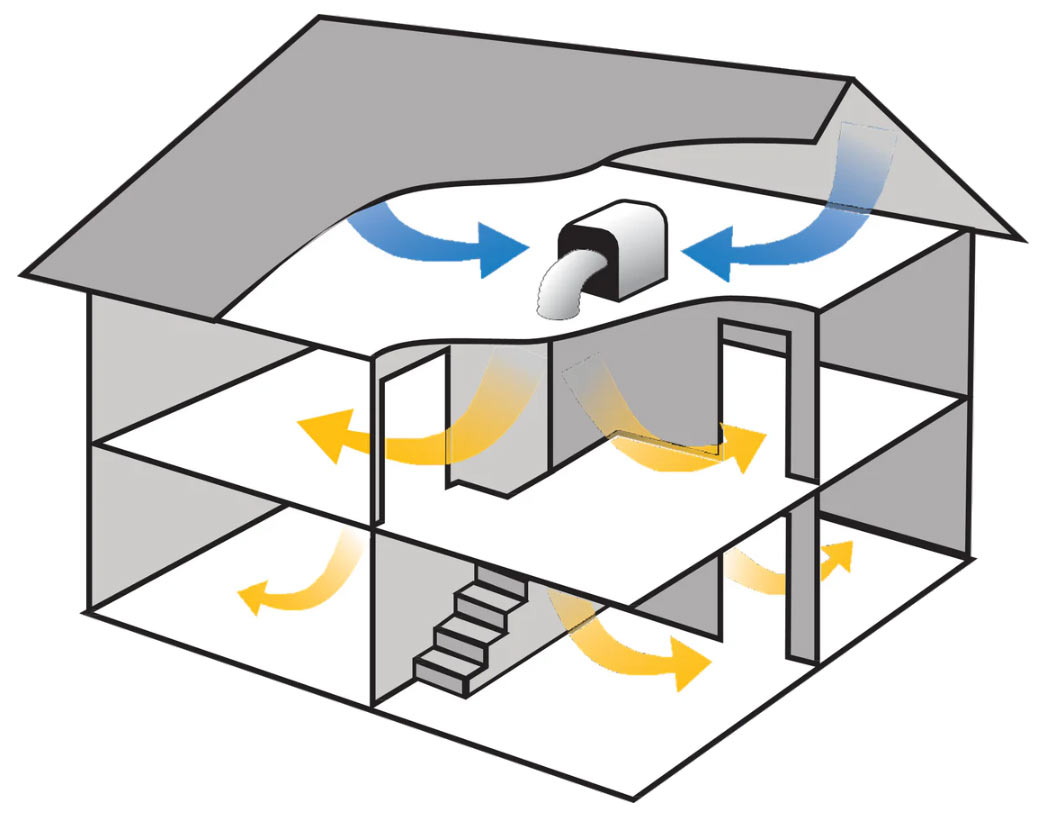
The system draws in air—either from outside or from the loft space where it is slightly warmer—and gently distributes it into the property through a central ceiling diffuser, usually located in a hallway or landing.
This creates a subtle positive pressure inside the home, which forces stale, moisture-laden air out through natural ventilation points such as trickle vents, gaps around doors, and other small openings.
One of the main advantages of a PIV system is its ability to control condensation, a common cause of mould growth and indoor air quality issues.
By constantly diluting and replacing humid air, the system helps to maintain a healthier living environment. It is also energy efficient, quiet in operation, and requires minimal maintenance, making it a practical long-term solution for many households.
PIV's are also energy efficient, quiet in operation, and require minimal maintenance
PIV systems are particularly beneficial in properties that suffer from poor ventilation, such as modern homes with sealed windows or older buildings where airflow is limited.
However, it is important to note that they are not a cure for structural damp problems, such as rising damp or water ingress from leaks. Instead, they are most effective at addressing moisture-related issues caused by everyday activities like cooking, showering, and drying clothes indoors.
Overall, a Positive Input Ventilation system offers a simple yet highly effective way to improve air circulation, reduce damp-related problems, and create a more comfortable and healthier home environment.

More News
Our Services