




What Is Cosmetic Damp?
Cosmetic damp usually affects the surface of walls and ceilings and is often caused by excess moisture in the air. It is most common in kitchens, bathrooms and bedrooms where poor ventilation allows condensation to build up.
Common signs of cosmetic damp include:
- Small patches of black mould around windows.
- Light condensation on glass during colder months.
- Minor peeling paint or wallpaper.
- Damp patches that appear only during certain weather conditions.
- Musty smells in poorly ventilated rooms.
These problems can often be improved by increasing ventilation, using extractor fans, improving heating habits or installing a Positive Input Ventilation (PIV) system where appropriate.
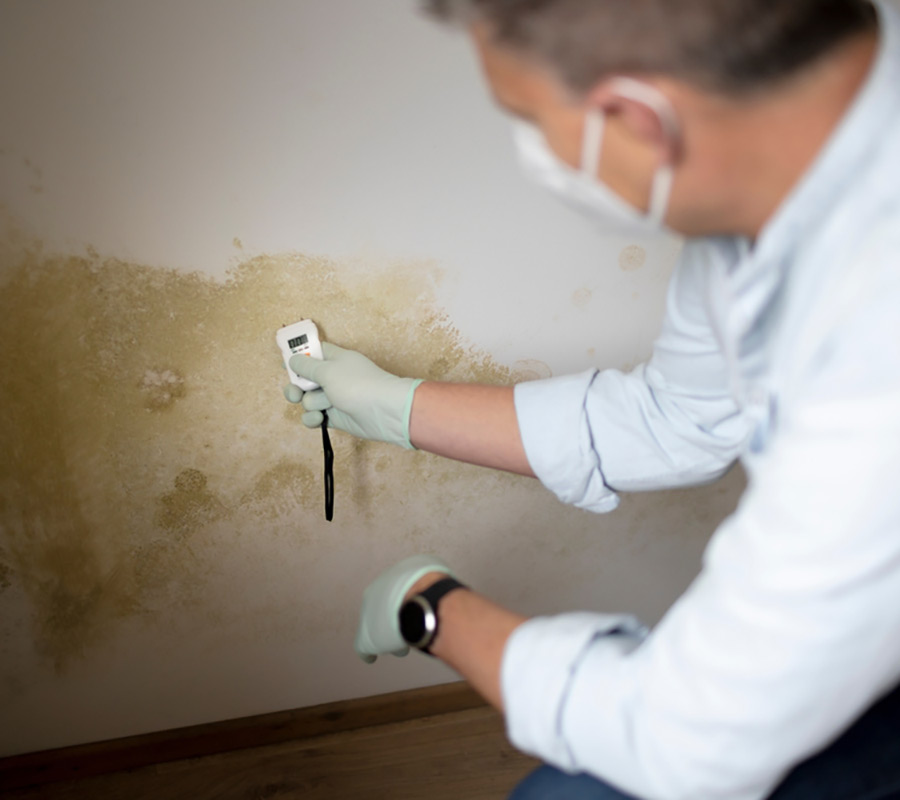
When Damp Could Be a Serious Problem
If damp keeps returning despite your efforts to improve ventilation, it may be a symptom of a more significant issue.
Some of the most common warning signs include:
- Large damp patches that continue to spread.
- Bubbling plaster or flaking paint.
- Crumbling plaster or damaged skirting boards.
- White, powdery deposits (known as efflorescence) on walls.
- Persistent musty odours throughout the property.
- Timber that feels soft or shows signs of rot.
- Damp appearing on internal walls away from windows or bathrooms.
These symptoms could indicate rising damp, penetrating damp, water ingress or another underlying moisture problem that requires professional diagnosis.
Learn More
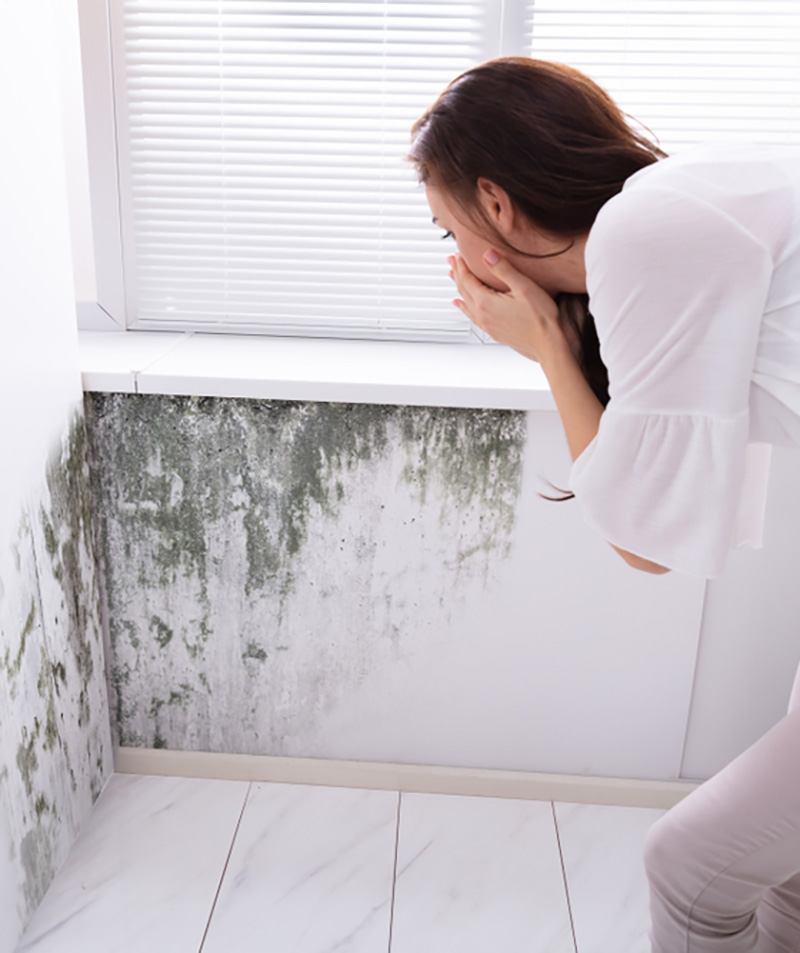
Why You Shouldn't Ignore Damp
Even if the damage appears minor, damp rarely improves on its own. Moisture trapped within walls can gradually weaken plaster, damage timber, encourage mould growth and reduce the energy efficiency of your home.
For homeowners planning to decorate, replacing wallpaper or painting over damp patches is only a temporary solution. Unless the source of the moisture is identified and treated, the problem will almost certainly return.
Serious damp can also affect property values, delay house sales and lead to expensive repair work if left untreated.
Arrange a Survey