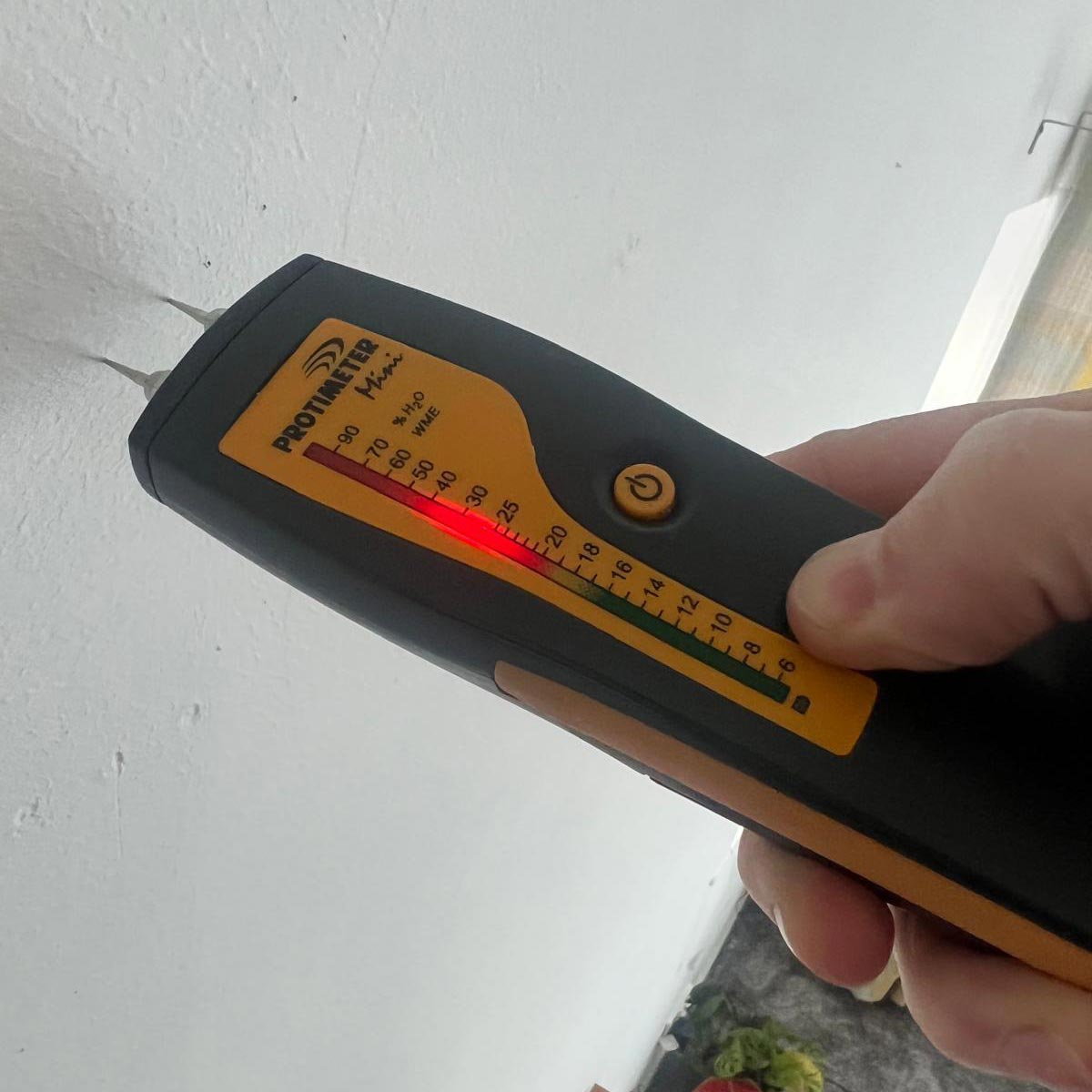



Damp in the home is a common issue across the UK, affecting both older properties and newer builds. If left untreated, damp can lead to structural damage, mould growth, and even health concerns.
Many homeowners notice damp patches or mould during colder months, only for it to seem less visible in summer. However, damp doesn’t simply disappear—it often remains hidden and can worsen over time.
Understanding the causes of damp in a house is the first step toward finding the right solution.
Rising damp occurs when moisture from the ground travels upward through brickwork or masonry. This usually happens when a damp-proof course (DPC) is missing, damaged, or no longer effective.
Typical signs of rising damp include tide marks on lower walls, peeling paint or wallpaper, crumbling plaster, and a musty smell. Rising damp is often misdiagnosed, so it’s important to have it properly assessed before carrying out any treatment.
Condensation is one of the most frequent causes of damp in UK homes. It forms when warm, moist air comes into contact with cold surfaces, leaving water droplets behind.
Everyday activities like cooking, showering, and drying clothes indoors all contribute to moisture in the air. Without proper ventilation, this moisture builds up and leads to damp patches and mould.
This type of damp is commonly found in bathrooms, kitchens, bedrooms, and around windows. Improving airflow with extractor fans or ventilation systems can help, but persistent condensation issues may require professional advice.
A leaking roof or damaged guttering can allow rainwater to enter your home, causing damp patches on ceilings and upper walls.
You may notice water stains after heavy rainfall, damp areas in loft spaces, or visible drips. These issues should be addressed quickly, as prolonged water ingress can lead to more serious structural problems.
Penetrating damp occurs when water passes through external walls due to defects such as cracked brickwork, damaged render, or deteriorated pointing.
Unlike rising damp, it can appear anywhere on a wall and is often worse during periods of heavy rain. Signs include isolated damp patches, cold walls, and visible damage to the exterior of the property.
Damp can also be caused by internal problems such as leaking pipes, faulty seals around baths or showers, or hidden plumbing faults.
These issues can be difficult to detect, especially if the leak is slow. Over time, however, they can cause significant damage to walls, floors, and surrounding structures.
Damp can also be caused by internal problems such as leaking pipes, faulty seals around baths or showers, or hidden plumbing faults.
These issues can be difficult to detect, especially if the leak is slow. Over time, however, they can cause significant damage to walls, floors, and surrounding structures.
Because there are several different types of damp, and many share similar symptoms, identifying the exact cause isn’t always straightforward.
Misdiagnosing damp can result in ineffective treatments and unnecessary expense. A qualified damp specialist will carry out a full inspection, determine the source of the problem, and recommend the correct solution.
Depending on the cause, this could include improving ventilation, repairing external damage, fixing leaks, or installing a damp-proof course.