


Causes of Dry Rot
Dry rot is a type of fungal timber decay known as Serpula Lacrymans. It occurs when wood becomes too wet with a moisture content of over 20% and the wood-destroying fungus attacks the timber. Dry rot is the most serious form of fungal decay.
If you suspect that you have dry rot, it is important to seek professional advice as soon as possible.
The sooner the problem is identified, the easier it will be to treat. Left untreated, dry rot can cause extensive damage to your property. If you have any concerns, please don't hesitate to get in touch with a professional for help.
Get In Touch
How Destructive is Dry Rot?
Dry rot is one of the most destructive forms of timber decay found in properties. Despite the name, it thrives in damp conditions and is caused by fungal growth that attacks wood, weakening its structure over time. If left untreated, dry rot can spread quickly through hidden areas of a building and cause significant structural damage.
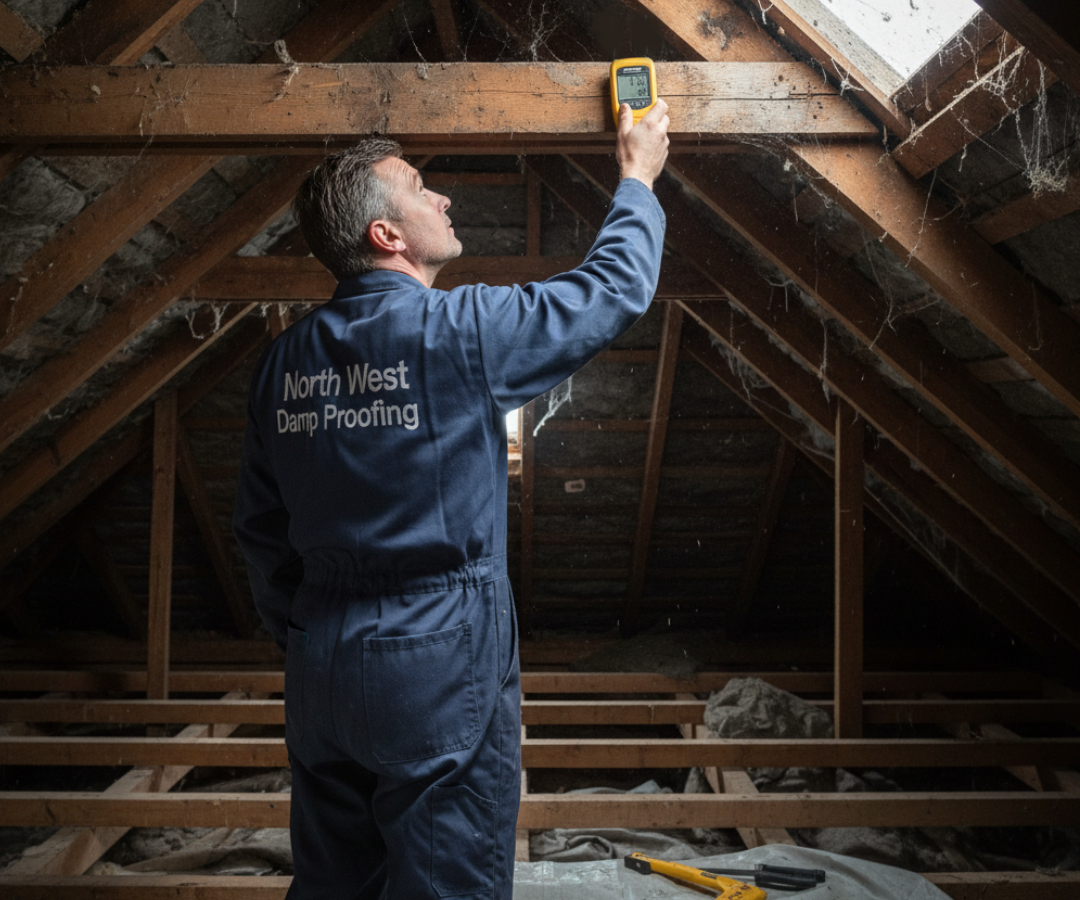
The sooner dry rot is dealt with, the less disruptive and expensive repairs tend to be. A professional survey is often recommended if you notice warning signs, especially in older properties or homes with existing damp issues.
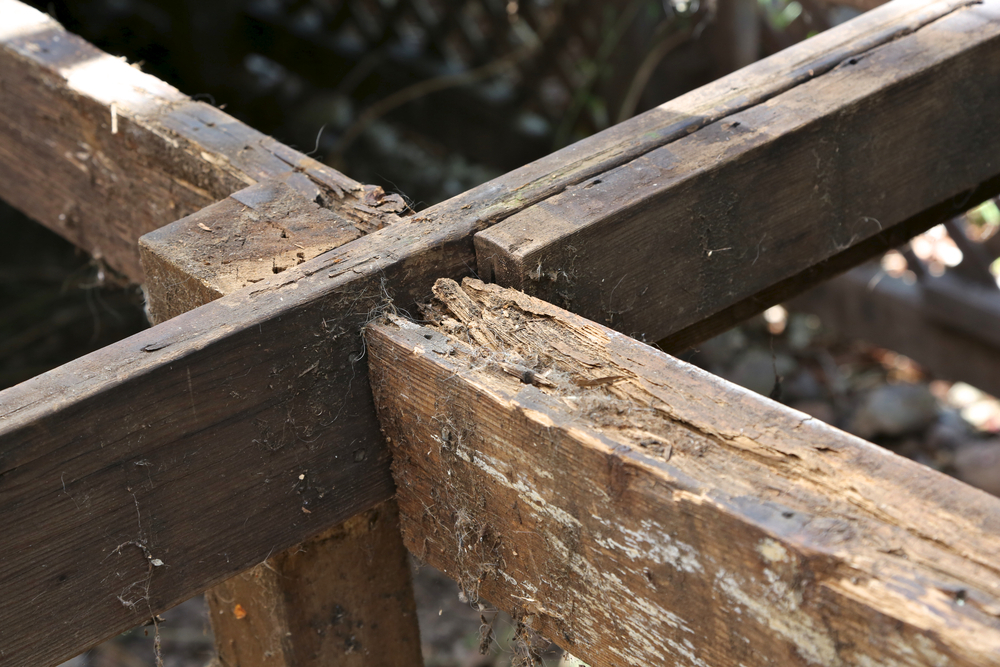
Dry rot primarily affects timber, but the consequences can extend throughout a property. Common problems include:
- Weakened structural timber – Floor joists, roof timbers, skirting boards, staircases, and wooden beams can become brittle and lose their strength, creating potential safety risks.
- Damaged floors and ceilings – Timber flooring may feel spongy, uneven, or begin to collapse as joists deteriorate beneath the surface.
- Crumbling or cracked wood – Affected timber often shrinks, cracks into cube-like patterns, and becomes dry and fragile.
- Property devaluation – Severe dry rot problems can reduce a property's value and may deter buyers or affect mortgage approvals until repairs are completed.
In advanced cases, untreated dry rot can compromise key structural elements of a home, leading to costly restoration work