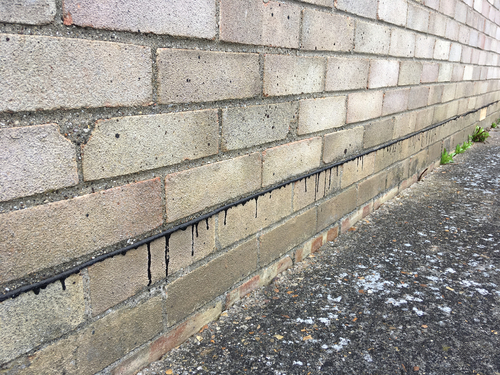




What is a Damp Course?
Damp proofing is an important part of protecting your home from water damage. A damp proof course (DPC) is a layer of waterproof material that is installed in the walls of a building to prevent moisture from rising up and causing damage. There are various types of damp proof courses that can be used, depending on the specific needs of the building. If you are unsure which type of DPC is best for your home, it is advisable to seek professional advice.
A professional will be able to assess your individual needs and recommend the most suitable solution. By taking action to damp proof your home, you can help to protect it from water damage and preserve its value for years to come.

Installation of a Damp Proof Course
A damp proof course is a form of damp proofing treatment that is used to treat rising damp. There are different types of methods that can be used to repair a broken damp-proof course or the installation of a new one.
The most frequently used is the damp proof injection which is the process of holes being drilled into the wall and a cement-based mortar or damp proofing cream is then inserted into the holes.
A damp proof course is not only effective against rising damp but can also stop other damp problems from occurring as well. Rising damp is often misdiagnosed by people who are not fully qualified, so it is always best to contact an experienced damp proofing company that is a member of the Property Care Association which could potentially save you expensive unnecessary treatment.